• HOME
  • OUR PROJECTS
  • ABOUT US
  • F.A.Q.
  • CRG FYIs
  • APPOINTMENTS
  • OUR TEAM
  • CONTACT
  • Mark Adams
  • Margie Stewart
  • Brandon Nguyen
  • Andrew Adams
  • Richardson Griswold

Facts about Receiverships

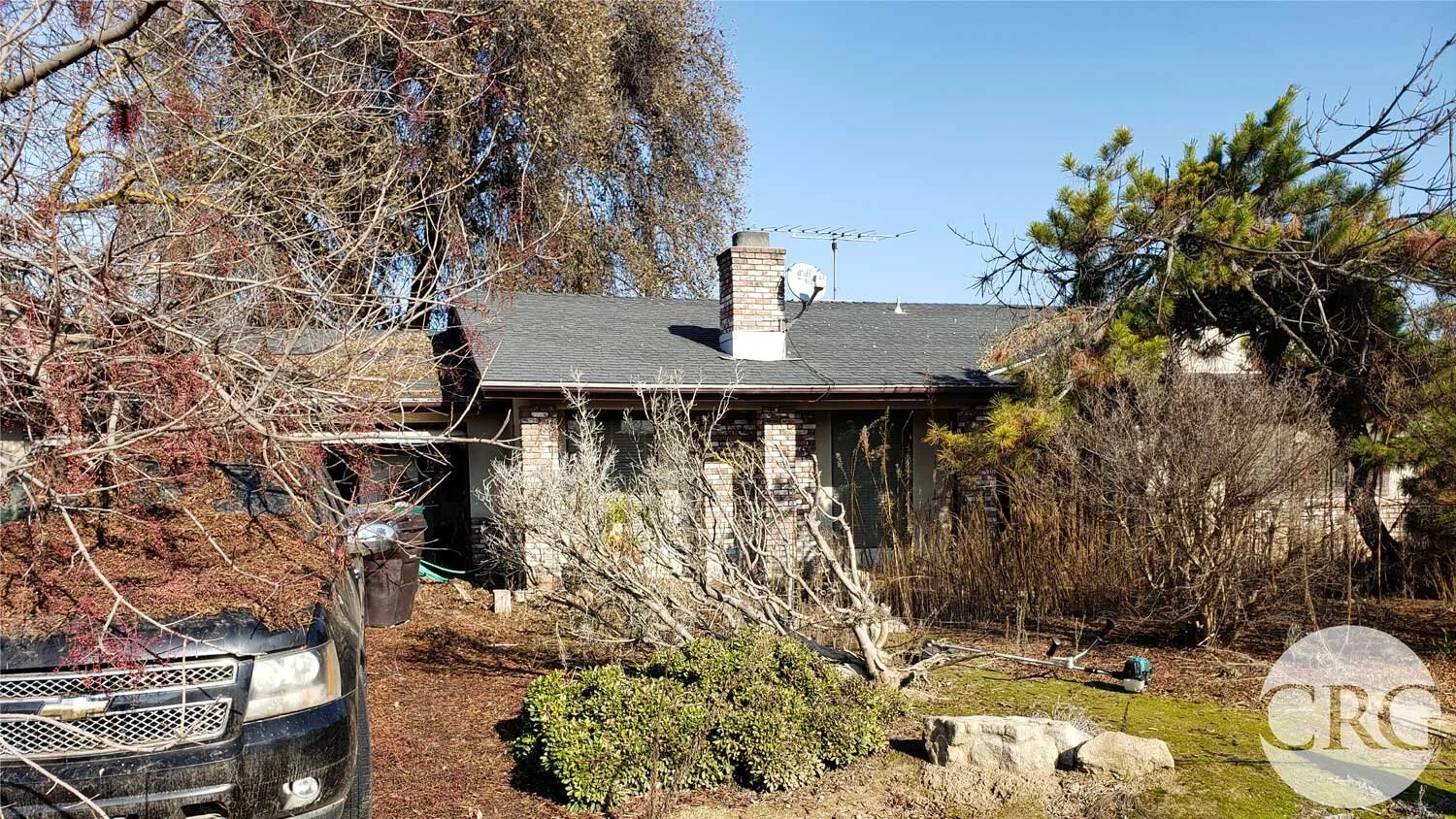
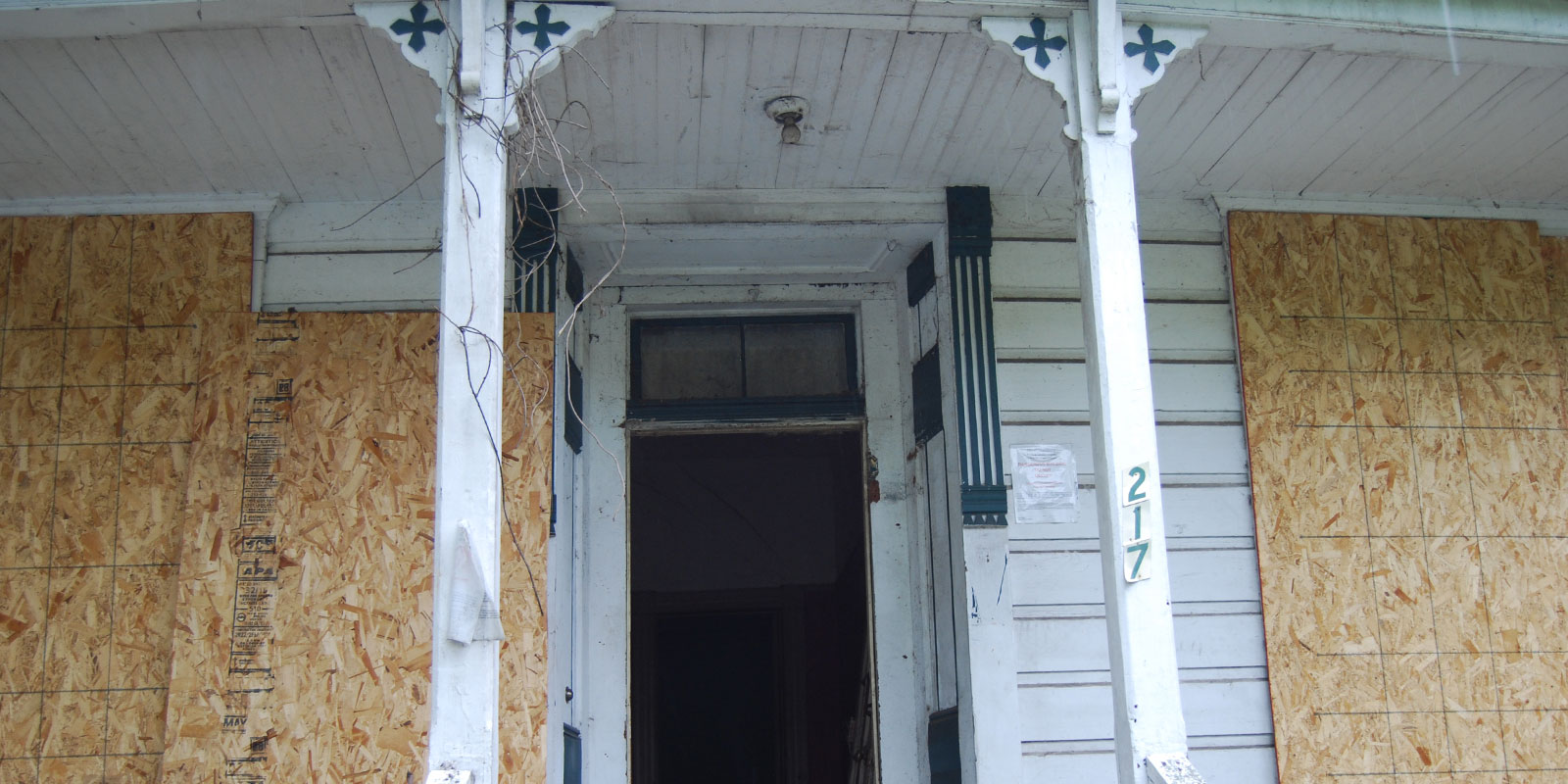
A Health & Safety receivership is a dramatic, immediate, comprehensive, and systematic tool that ends the problems with slum housing and problem properties without any costs to the referring agency or government. Receiverships are a dramatic mechanism which communicates to neighbors and surrounding communities that the city/county/agency is taking concrete steps to remedy the problem property they have lived with and will remedy the dangerous conditions created by absentee or recalcitrant owners.

Unlike the traditional concept of financial receivership, a Health & Safety receiver is not appointed to operate a property for a period of time, or to “wind-down” operations. Rather, the receiver is appointed to remedy the health and safety violations on a property. Often this involves hiring a contractor to correct the violations, or it could begin with emptying a property of its residents. The remedies are left to the receiver, which is what makes the remedy so adaptable and applicable to the problems a government is facing.

Authorized pursuant to California Health & Safety Code Sections 17980 et seq., receiverships are used primarily for abandoned and substandard properties where the owner has a history of non-compliance with local enforcement agency orders to abate, or when a property’s conditions pose a serious threat to its residents or the public at large.

Health & Safety Receiverships are implemented, most effectively, under three scenarios:

The Receiver, under the authority and supervision of the California Superior Court, borrows against the property (using the property's equity) and uses those funds to pay for emergency owner/occupant relocation, property rehabilitation, demolition or other work as authorized by the Court in order to bring the property into compliance with local and state regulations.

Benefits of Receiverships

  • Orders to vacate must come from the Court.This greatly reduces local enforcement agency exposure to potential negative publicity as well as liability that can accompany forced relocation and takeover of private property. The Health & Safety Code does not require the filing of a civil complaint. It authorizes the ex-parte appointment of a receiver on petition of a local enforcement agency. The typical life of the receivership ranges from 2-6 months depending upon the scope of the project.
  • Enforcement Remedyis a faster and far more efficient method to abate severely substandard properties due to shortened notice requirements as well as ex-parte application.
  • A Receiver is typically appointed on the day of the application and empowered with the authority to take emergency measures to secure a given property, immediately relocate tenants/owners/residents to safe and temporary housing, and abate other circumstances posing immediate threats to health and safety.
  • The Prevailing Party (upon successful appointment of a receiver) is awarded attorneys fees and costs, by statute, for the cost of obtaining Receiver's appointment and even, under certain circumstances, for costs of prior enforcement efforts/criminal prosecutions/abatement proceedings/outstanding liens for prior abatements
LOADING...

California Receivership Group was formed to provide a complete, turn-key solution for properties in repeated violation of Health & Safety codes. When we are appointed over a property as Receiver, the team is on-site immediately, beginning the process of fixing the property problems. CRG eliminates any dire threats posed to the owners, occupants and community, either by bringing in a construction team immediately or emptying the property if necessary. CRG is dedicated to protecting and preserving assets assigned to its custody and control while maintaining an ever-present sensitivity to the human and social side of the work.

CRG is able to achieve immediate and effective results by deploying a team built specially for problem properties. This team includes attorneys, contractors, accountants, receivership administrators, clean-up crews, property managers, professional organizers, ground operations managers and financiers. Our extended network includes all aspects of property rehabilitation; if we do not have the right person for the job, we will find them and bring them on board. For all our projects we incorporate local community resources and talent as much as possible.

Mark Adams, President and Founder of CRG, is the most experienced Health and Safety Receiver in the State of California. CRG has been appointed by over 18 different Superior Court Judges and 1 United States District Court Judge. We have been Health & Safety receivers in 7 different counties in California and been nominated by 22 cities/counties to handle receiverships. We have vast experience managing the financial, political, social and economic intricacies that accompany this extraordinarily unique enforcement tool.

Frequently Asked Questions

Q. Who Can Ask the Superior Court to Appoint a Health & Safety Receiver Over Property?

Q. What is the Legal Authority to Petition for the Receiver's Appointment on an Ex Parte Basis?

Q. What is the Specific Legal Authority of the Receiver?

Q. If a city or county’s code enforcement process require a lengthy notice, hearing and appeal, does the Health and Safety Code provisions relating to appointment of a Receiver stand apart from those requirements/process/procedure? Or can we pursue alternate remedies at the same time (criminal prosecution, civil nuisance abatement, administrative citations, for example).

Q. What are the Rules Relating to Grounds for Issuance of Notice to Repair or Abate: 17980.6? What is the trigger?

Q. How Much Time Must the City/County Give to Repair or Abate Pursuant to a 17980.6 Notice?

Q. How Much Time is Considered "Reasonable Time?"

Q. What Happens when a Property Fails to Comply with the 17980.6 Notice and Correct the Violations?

CRG FYIs
Commercial & Residential
Hoarding: What Can Local Governments Do?
Foreclosing Bank As Owner
Abandoned
Superpriority Memo
The Receivership Process: It's Easier Than You Think!
Crime and Receiverships
Conditions for Appointment
Emergency Appointments
Receivers, An In Rem Proceeding

鼎RG FYI敗 are not meant to provide legal advice and should not be relied on in any legal matter. CRG is not providing legal advice and does not create any of the duties and obligations inherent in the attorney-client relationship with this information. This article is meant to begin a dialogue and to increase awareness of the receivership remedy in the code enforcement and municipal law fields.
Representative Appointments

City of Alameda

City of Alhambra

City of Anaheim

City of Arroyo Grande

City of Brea

City of Buena Park

City of Cathedral City

City of Chula Vista

City of Costa Mesa

City of Crescent City

City of Eureka

City of Fontana

City of Fullerton

City of Gardena

City of Glendale

City of Hawthorne

City of Highland

City of La Habra

City of La Mirada

City of Los Angeles

City of Needles

City of Norco

City of Oroville

City of Palm Desert

City of Rancho Cucamonga

City of Rancho Palos Verdes

City of Rialto

City of Rolling Hills Estates

City of San Fernando

City of San Juan Capistrano

City of Santa Clarita

City of Upland

City of West Covina

City of Westminster

City of Whittier

County of Los Angeles

County of Mariposa

County of Orange

Mark Adams

Mark Adams pioneered the health and safety receivership remedy in California over the last thirteen years and remains the most experienced health and safety receiver working in the state. He has been appointed as receiver by 49 different judges (state and federal) to rehabilitate 71 properties in 10 counties and 41 different cities. Mr. Adams has mentored or trained most of the other health and safety receivers operating in California. Mr. Adams is a sought after speaker at state and national housing conferences. He submitted an amicus curiae brief in the California Supreme Court’s landmark ruling in support of the health and safety receivership remedy, City of Santa Monica v. Gonzalez 43 Cal. 4th 905 (2008).

Adams is a magna cum laude graduate of Loyola Marymount University and of Georgetown University Law Center.  He has worked in real estate finance most of his 35 year career- in the private sector (Callie Mae from 1983 to 1988 and Fannie Mae from 1992-1996) as well as the public sector (Governor’s Office of Planning and Research 1978-1982). He served on, and was a driving force behind, Mayor Riordan’s Blue Ribbon Committee on Slum Housing from 1998-2000. He pioneered the funding of super priority receivership certificates and over the last 5 years has funded over $8 million in health and safety receivership financings.

Margie Stewart
PROFESSIONAL ORGANIZER
Margie Stewart has been a professional organizer and a member of The National Association of Professional Organizers for over 10 years. She specializes in pack-rat properties, working with hoarders and people with OCD and related psychological problems. At CRG, she is responsible for working with the clean-up crews and residents to ensure that the residents' valuables are secured, while the property can undergo the cleaning necessary.
Brandon Nguyen
Paralegal
Brandon Nguyen is the newest team member to join CRG. He previously worked at the Law Firm of Higbee and Associates, and the International Rescue Committee's Los Angeles branch. He handles all court related administrative duties, such as court filings and court correspondence. Brandon is currently pursuing his Bachelor of Arts at the University of Southern California, in addition to applying for law school admission for the Fall of 2013.
Andrew Adams
General Counsel
Andrew Adams has worked for California Receivership Group off and on for nearly a decade. Currently, he handles litigation for CRG and oversees many of the construction projects that CRG undertakes. He is a 2010 graduate of the University of San Diego School of Law and a member of the California Bar. He holds a B.S. from the University of California, Berkeley.
Richardson Griswold
Director, San Diego Division
Mr. Griswold is a member of the California State Bar and licensed to practice law in all California state courts, as well as the United States District Courts in the Southern District and Central District of California. Mr. Griswold earned his undergraduate degree from the University of California, Davis and his law degree, magna cum laude, from California Western School of Law in San Diego. Mr. Griswold is also a licensed California Real Estate Broker.

Prior to founding Griswold Law, Mr. Griswold sharpened his legal skills at several Southern California law firms focusing on real estate law, employment law and business litigation, as well as in the legal departments of the San Diego Padres and The Upper Deck Company. He also previously served as Vice President of a commercial and residential property management company, at the time ranked 15th largest in the state of California.
California Receivership Group
150 Barrington Ave, Ste. 100
Los Angeles, CA 90049
Phone: (310) 471-8181
Fax: (310) 471-8180
Email: General Inquiry
Mark Adams  
A Moyo Studios Production Copyright 2008 California Receivership Group, Inc., All Rights Reserved